Garden Clearance in Northolt

Garden clearance in Northolt should leave outdoor spaces ready for practical use, whether that means opening up a tired back garden, removing overgrown waste after seasonal work, or clearing away mixed debris before a new layout is planned. We handle straightforward green waste as well as heavier garden contents, helping households and landlords reduce clutter without turning the task into a series of separate jobs. The work is carried out with attention to sorting, lifting and responsible disposal, so the finished space is easier to manage and use.
Our approach is suitable for gardens that need a full clear-out or a targeted removal of specific items. That can include branches, hedge cuttings, leaves, soil-filled bags, broken garden furniture, old plant pots, fencing offcuts and other accumulated materials. Because outdoor clearances often involve a mix of organic and man-made waste, it is useful to know what will be removed together and what may need to be separated. We keep the process practical, direct and focused on the actual load.
For a garden clearance service that fits the scale of the work, the main priority is to understand the type of waste, the access to the garden and any items that need care during removal. Pricing and quotes can be discussed around those details, while the rest of the page explains the kinds of clearance work we can support and the decisions that help shape a sensible request.
What a garden clearance can include
Garden clearance is broader than simple green waste collection. In many properties, the work involves a combination of cut vegetation, weathered outdoor items and material left behind after pruning or redesign. That might include grass cuttings, soil, roots, timber, damaged sleepers, bags of mixed garden waste and items that no longer belong in the space. Clearing them properly means more than removing what is visible first; it also means checking corners, borders and storage areas where heavier debris tends to collect.
The service can be tailored to the way the garden is being used. Some customers want one-off help after a large tidy-up, while others need the area made manageable after a period of neglect. We can clear pathways, beds, patios and lawn edges where waste has built up, and we can work through individual piles or an entire outdoor area. If the project includes mixed waste, it is usually best to know that at the outset so the work can be organised around the right handling and disposal method.
In many cases, the deciding factor is whether the contents are mainly green waste or a mixture of garden and household items. A single tidy garden can still generate a surprising amount of material once branches, broken planters and old outdoor storage are gathered together. The practical benefit is that customers do not need to spend time arranging different removals for each category. Instead, the clearance can be planned around one coherent load and a clear end point.
Planning the work and the best way to prepare
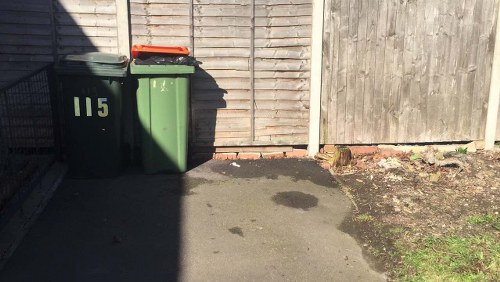
Preparing for a garden clearance is usually straightforward, but a little clarity makes a noticeable difference. If access is narrow, if waste is stacked at the back of the garden, or if there are items that should not be touched, it helps to identify that before the work begins. Photographs can be useful when explaining the general size of the job, especially where waste is spread across more than one part of the garden. That avoids confusion and helps the collection be organised sensibly.
It also helps to separate anything that should stay in place, such as plant pots in use, tools, barbecue equipment or garden decorations you still want to keep. A quick sort beforehand can reduce handling and make the clearance more efficient. For larger jobs, an inventory is not usually necessary, but a simple description of the main waste types is useful. Contact us when you are ready to explain what needs clearing and how the space is arranged.
Where the garden has areas that are overgrown or partially blocked, the work may need to be approached in stages. That is especially relevant when waste has built up around sheds, fences, side passages or compost areas. The aim is to make the job manageable without creating extra movement through delicate or awkward parts of the property. A clear brief helps with this, particularly when some objects are to be kept, reused or left exactly where they are.
Green waste, bulky garden items and mixed outdoor clutter
Different kinds of garden waste need slightly different handling. Green waste such as cuttings, leaves, roots and small branches is usually straightforward to gather, but bulky items can change the shape of the job quickly. Old benches, planters, broken parasols, damaged sheds parts and worn garden storage may need dismantling or careful moving before they can be taken away. The practical question is not just what needs removing, but how much space the waste occupies and how safely it can be lifted.
We can support clearances that contain both soft and hard materials, provided the load is described clearly. That is useful where a garden has been used as a holding area for old outdoor belongings over time. Rather than forcing everything into one category, it is better to think about the likely mix of vegetation, timber, metal, plastic and general rubbish. This helps avoid unnecessary surprises and supports better decisions about access, loading order and disposal. Clear identification of the main waste types keeps the job efficient.
Some gardens also contain material from minor DIY or repair work, such as fence panels, offcuts, edging, broken posts or leftover bags of aggregate. These items are often best treated as part of a broader clearance rather than a separate task, especially when the garden has not had routine attention for a while. The outcome is a cleaner, safer outdoor area that can be used again without the same pile of stored waste getting in the way.
Hedges, pruning and seasonal tidy-up waste

Seasonal garden work often produces more waste than expected, particularly after hedge cutting, pruning or a general tidy-up. Long clippings, woody stems and bundled branches can take up considerable space even when they seem light individually. A clearance service can be a sensible way to deal with that accumulation once the cutting is complete, especially if the waste has been piled temporarily in more than one part of the garden. It prevents those materials from lingering and becoming harder to manage later.
This type of work is especially helpful when the garden is being brought back into regular use after a period of slower maintenance. The aim is not simply to remove visible cuttings, but to take away the bulk that makes paths awkward and beds difficult to access. When pruning has left behind thorny or uneven material, careful lifting matters as much as volume. We can remove the waste and leave the area in a condition that is easier to mow, sweep or replant.
For jobs that follow larger cutting work, it is sensible to think in terms of collection and clear-down rather than just disposal. Once the waste is gathered, the remaining question is whether there are any containers, ties or small leftover fragments that should be dealt with too. Keeping the job focused on the practical end result makes the service more useful than simply moving one heap from one corner to another.
Garden furniture, fences and hard outdoor materials
Not every garden clearance is about leaves and branches. Many involve items made from wood, plastic or metal that have outlived their use, such as broken chairs, tables, plant stands, fence panels and damaged storage boxes. These items often need a different lifting approach because they are awkward, rigid or sharp-edged. The space they occupy can also affect the way the rest of the garden is cleared, especially where multiple items are stacked together or partially hidden under vegetation.
We can handle the removal of sturdy outdoor items alongside lighter garden waste where the job is suitably described. It is often helpful to know whether objects are intact, partly dismantled or already in sections, because that affects how they are moved. The same is true for fencing and timber remnants from minor boundary repairs. If a clearance includes both garden waste and bulky pieces, it is best to think through the order of removal so access remains open and safe for the whole job.
Some customers use a clearance as part of a wider plan to reset the outdoor area. That may mean moving old items out first, then leaving the garden ready for replacement furniture, planting, or a more regular maintenance schedule. The value is in removing material that no longer serves a purpose and doing so in a way that respects the condition of the rest of the space.
Useful choices when arranging a garden clearance

When choosing how to arrange the work, the main questions are usually about scale, access and what type of waste is present. A small pile of prunings is very different from a garden containing several mixed heaps, an old shed load and a range of broken outdoor objects. It helps to decide whether the aim is a basic tidy-up or a more thorough clearance that reaches corners, borders and hidden storage areas. That decision shapes how the work is planned from the start.
A simple list can be useful when you are assessing the garden yourself.
- Note the main waste categories, such as green waste, timber, plastics or metal.
- Check whether anything is stacked, bagged or loose.
- Identify narrow access points, side passages or steps.
- Separate items that should be left in place.
- Decide whether the job is a tidy-up or a full clearance.
Once the nature of the job is clear, the remaining step is simply to ask for a quote based on the information available. A concise description is usually enough to start the conversation, especially if you can mention whether the work is mostly vegetation, mixed garden contents or larger outdoor items. Garden clearance details can help frame the service more precisely, while the quote itself should reflect the actual materials and access conditions involved.
How pricing is shaped by the clearance
Garden clearance pricing is generally influenced by the amount of waste, the type of material and how easy it is to reach and load. A compact pile near an entrance is simpler to handle than a wide spread of waste at the far end of a long or uneven garden. Heavier items, mixed materials and awkward access can all affect the amount of work involved. That is why a brief description of the garden is so useful when seeking a quotation.
It is also worth considering whether the job involves a single removal or several distinct parts. For example, one area might contain soft green waste while another holds old furniture or broken timber. Grouping those tasks together can make sense, but it still helps to describe them separately so the workload is understood accurately. Where clearance needs are broader, it may be worth reviewing related options such as waste removal if the waste is not limited to garden materials.
Clear pricing discussions work best when they stay grounded in the visible facts of the job. There is no need to overcomplicate the process with technical detail if the space is straightforward, but equally there is value in explaining any difficult access, repeated levels, or bulky items that may slow the work down. The clearer the picture, the more usable the quotation becomes.
About Northolt
Northolt is a district in the London Borough of Ealing, situated in west London and shaped by a long history of settlement, transport and suburban growth. Its name is associated with the older village recorded in medieval sources, while the modern area developed through later housing expansion and improved rail and road connections. Today it combines residential streets, local centres and open green spaces, giving it a varied character rather than a single uniform layout. Much of the area reflects the layered growth typical of outer London, where older village traces sit beside twentieth-century development. Northolt tube station, on the Central line, anchors part of the district’s transport identity, while the Grand Union Canal and nearby open land contribute to its physical structure. The canal corridor and surrounding green spaces offer a reminder that this part of west London still retains links between urban neighbourhoods and wider landscape edges. The area also includes a range of community facilities, local shopping parades and religious and cultural venues, which support everyday life across its estates and residential roads. In broader historical terms, Northolt has connections to agriculture, wartime change and suburbanisation, with some historic buildings and church sites providing continuity amid later redevelopment. Its location near larger town centres and major routes has helped shape its present-day mix of homes, local services and public spaces. For anyone looking at the district as a place rather than just a postcode, it is a settled part of London with an identity formed by gradual change, practical infrastructure and pockets of green space.
Garden clearance for different property types
Garden clearance needs can vary considerably between properties, and the right approach depends on how the outdoor space is used. A family house may have a back garden with layered waste around borders and sheds, while a rented property might have a smaller area where items have built up after a tenancy change. Some gardens are mainly practical spaces with hard surfaces and limited planting, while others contain dense borders, small trees or several hidden corners that need more attention. The service can be adjusted to those differences without turning it into a one-size-fits-all task.
For homes with larger outdoor areas, the work may involve dividing the garden into sections so that each part can be cleared methodically. That approach is useful where waste has gathered near multiple access points, or where some items are too bulky to move in one pass. In tighter spaces, the emphasis is more on careful loading and leaving the area tidy once the main waste is removed. Either way, the same principle applies: the clearance should match the layout and the nature of the contents.
Where a garden contains both household overflow and outdoor waste, the task may overlap with other forms of clearance. In that case, a related service such as home clearance may be relevant if the interior contents are also being sorted, or garage clearance if tools and stored items have spread beyond the garden itself. The most useful option is the one that reflects the real location of the waste, not just the broad category it happens to fall into.
Keeping the process straightforward from enquiry to removal
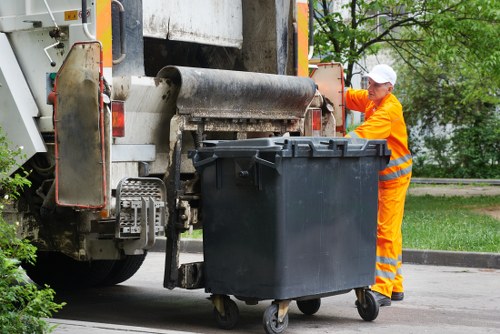
The simplest way to arrange a garden clearance is to describe what is present, where it sits and how much of the garden is affected. A few clear notes are often enough to distinguish a straightforward pile of cuttings from a more complicated mix of furniture, timber and general waste. If the space is partly blocked or awkwardly arranged, mention that too. These practical details matter more than a long explanation, because they shape the way the removal is planned.
Once the main facts are shared, the job can be assessed around the likely time, handling and waste mix involved. If you are comparing options, you may also wish to review furniture clearance where outdoor or indoor items are involved, or look at about us if you want a broader sense of the company’s services. The key point is to keep the enquiry relevant to the actual garden contents so the quotation remains accurate and easy to understand.
When you are ready to move forward, ask for a quotation in plain terms and include any access notes that may affect the work. Clear information at the outset helps the clearance be arranged properly, and it also makes the result more predictable for the customer. If the garden has become cluttered over time, a single planned removal can be the most practical way to restore order and create usable space again.